
Hepatitis A Vaccine
Advice About the Hepatitis A Vaccine in Oxford
Food is part of the joy of travelling, but contaminated food or water can expose you to infections that are uncommon at home. Hepatitis A affects the liver and is found in destinations worldwide. Depending on where and how you travel, vaccination may be recommended before you leave.
Woodstock Road Chemist provides individual travel health assessments and access to the hepatitis A vaccine in Oxford for eligible travellers. We will review your plans, previous vaccinations and health to help you prepare with advice that’s suited to your journey.
How Hepatitis A Spreads
Hepatitis A is a viral infection that causes inflammation of the liver. The virus is present in the faeces of an infected person and can spread when contaminated food or water is consumed. It can also pass through close physical contact with somebody who has the infection.
Potential sources of exposure include:
- -> Drinking untreated or contaminated water
- -> Eating food washed or grown using unsafe water
- -> Eating food prepared by an infected person with inadequate hand hygiene
- -> Consuming raw or undercooked shellfish from contaminated water
- -> Having close physical or sexual contact with an infected person
Hepatitis A is more common in areas with limited sanitation and access to clean water. Higher-risk regions include North and sub-Saharan Africa, the Indian subcontinent, parts of East and Southeast Asia, the Middle East and Central and South America.
Is Hepatitis A Vaccination Recommended for Your Trip?
Recommendations are based on more than the country name alone. Risk can vary between regions and may be influenced by local sanitation, an active outbreak and the type of contact you expect to have with local communities.
Vaccination may be recommended for travellers visiting a country where hepatitis A is common, particularly those who:
- -> Plan to stay with friends, relatives or local residents
- -> Expect a long or frequent stay in an affected region
- -> Will visit places where sanitation or food hygiene may be limited
- -> Have an existing liver condition or another relevant medical risk
- -> May face occupational exposure while working abroad
- -> Are travelling to an outbreak area with limited access to safe water or medical care
Your healthcare professional will consider your age, allergies, medical history, current medicines and previous doses before making a recommendation. If you have already completed a hepatitis A vaccine course, another dose may not be necessary.
When Should You Have the Hepatitis A Vaccine?
Arrange travel health advice as early as you can, ideally at least four to six weeks before departure. This allows time to review your records and coordinate hepatitis A vaccination with any other protection you may need.
Several hepatitis A vaccines are available in the UK, including single-disease vaccines and products combined with hepatitis B or typhoid. The number and timing of doses depend on the product, your age and whether you need protection against another infection. A follow-up dose is generally required to complete a standard single-disease hepatitis A course and support long-term protection.
If you are travelling at short notice, contact the pharmacy rather than assuming it is too late. A healthcare professional can assess the time available and explain the options appropriate to your circumstances.
What to Expect During Your Appointment
Please bring your full itinerary and any available vaccination records. Your consultation will cover:
- -> The hepatitis A risk at each destination
- -> Your departure date, trip length and accommodation
- -> Your planned work, activities and contact with local communities
- -> Previous vaccinations, health conditions, allergies and medicines
- -> Other vaccines or travel medicines that may be relevant
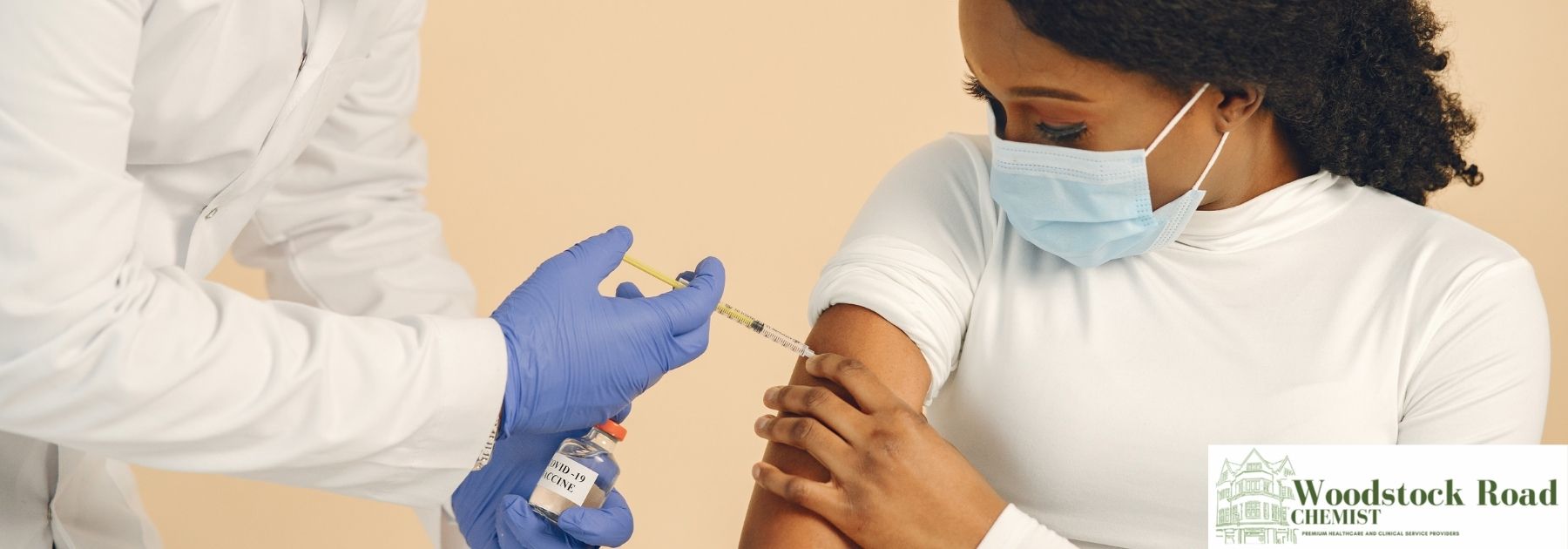
If vaccination is suitable, our healthcare professional will explain the recommended schedule, expected benefits, possible side effects and aftercare before obtaining your consent. The vaccine is given by injection. Temporary soreness at the injection site, headache or tiredness can occur, although not everyone experiences side effects.
Food and Water Precautions Still Matter
Vaccination is an important preventive measure, but it should be combined with careful hygiene. Reduce your exposure while travelling by:
- -> Washing your hands thoroughly after using the toilet and before preparing or eating food
- -> Drinking sealed bottled water or water that has been boiled or appropriately treated
- -> Using safe water to brush your teeth
- -> Avoiding ice unless you know it was made from safe water
- -> Eating food that is thoroughly cooked and served hot
- -> Avoiding raw shellfish and produce you cannot wash or peel safely
These precautions can also help reduce the risk of other illnesses spread through contaminated food and water.
Recognising Hepatitis A Symptoms
Young children may have mild symptoms or none at all. Adults are more likely to become unwell, and recovery can take weeks or months. Symptoms may include a high temperature, tiredness, loss of appetite, nausea, pain in the upper abdomen, dark urine, pale stools, itchy skin and jaundice.
Contact a GP if you develop possible symptoms after visiting a country where the infection is common. Some people, including those who are pregnant, over 60 or living with a liver condition, may need urgent advice. Tell your healthcare professional about your travel history.

Start Preparing for Your Trip
Schedule your travel health assessment with Woodstock Road Chemist to check whether hepatitis A vaccination is recommended for you. Bring your itinerary and any vaccination records you can access. Whether you are planning a family visit, an extended backpacking trip, overseas work or a relaxing holiday, our team will help you understand the recommendations relevant to your plans.
Recommendations, schedules, availability and fees can change. Contact our pharmacy team if you need more information before booking.